Tether’s USDT at center of Iran’s shadow banking network, new Senate Report says
Tether and its stablecoin have become central in "Iran's shadow banking system," according to a new Senate investigation.

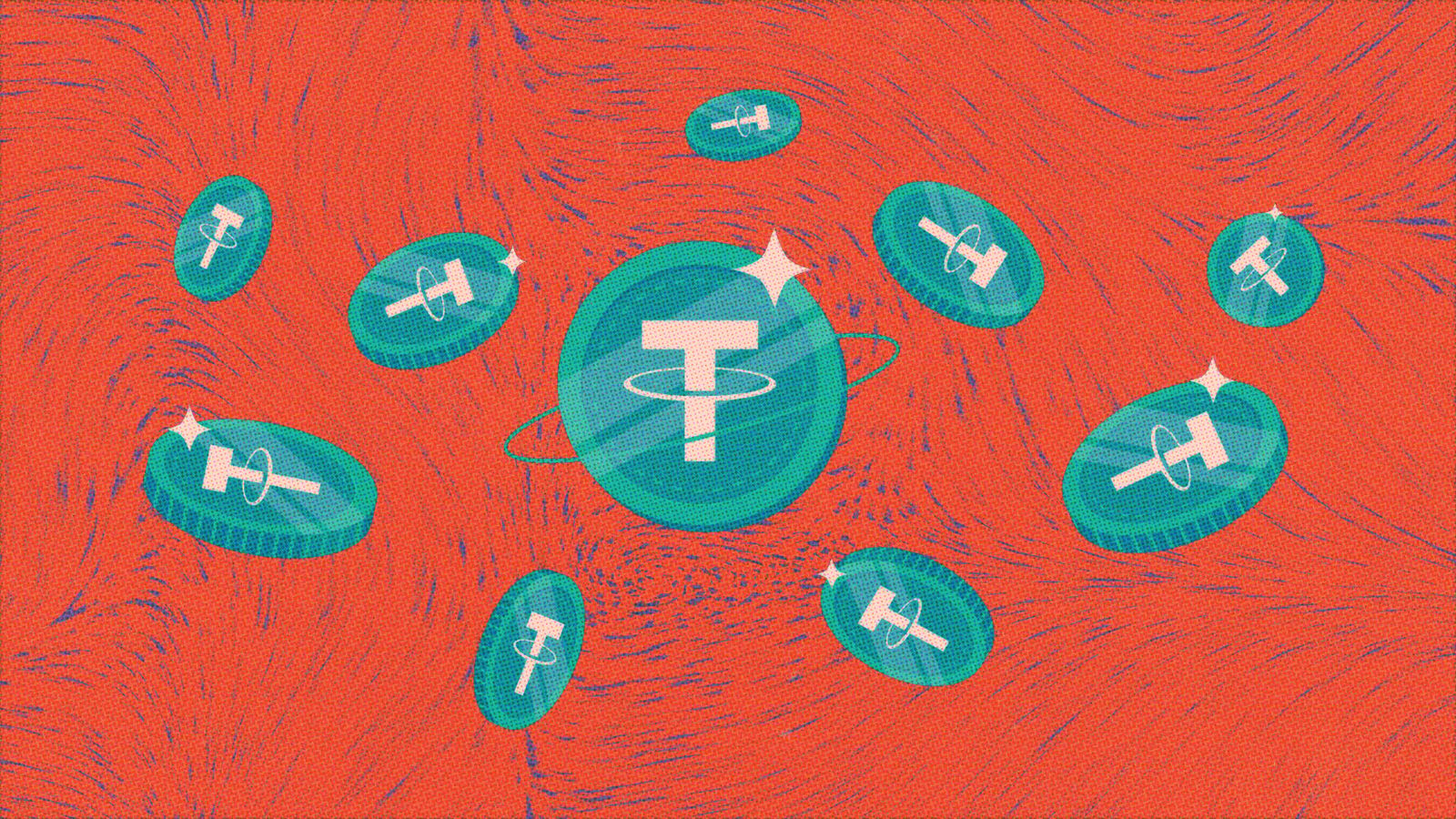
A new U.S. Senate investigation has concluded that Tether's USDT stablecoin has become a cornerstone of Iran's shadow banking infrastructure, according to a report published on September 28, 2026. The Senate probe found that USDT is being actively used to circumvent international financial sanctions imposed on Iran, enabling cross-border transactions that would otherwise be blocked through traditional banking channels.
Tether, the issuer of the world's largest stablecoin by market capitalization, has faced persistent regulatory scrutiny over the years regarding the potential misuse of USDT in sanctioned jurisdictions. Iran, subject to sweeping U.S. and international sanctions, has increasingly turned to cryptocurrency networks as alternative financial rails. USDT, which operates across multiple blockchain networks including Tron and Ethereum, offers relative ease of access and high liquidity, making it an attractive tool for entities seeking to move value outside the conventional financial system.
The Senate report is expected to intensify calls for stricter oversight of stablecoin issuers, particularly regarding their compliance obligations under the Office of Foreign Assets Control regulations. Legislators and regulators may use the findings to accelerate stablecoin legislation that would impose more stringent know-your-customer and transaction monitoring requirements on issuers like Tether.
Industry observers will be watching for an official response from Tether, as well as any potential enforcement actions from U.S. Treasury or financial regulators in the weeks following the report's release.
Source: The Block