
Tether’s $141 billion Treasury pile reveals the stablecoin risk now embedded in US debt
There's a huge contradiction sitting at the center of modern American finance. The same industry regulators tried to isolate from the mainstream financial system has become one of the largest US Treasury buyers on the planet. Tether, the company behind the world's largest stablecoin USDT, closed 202

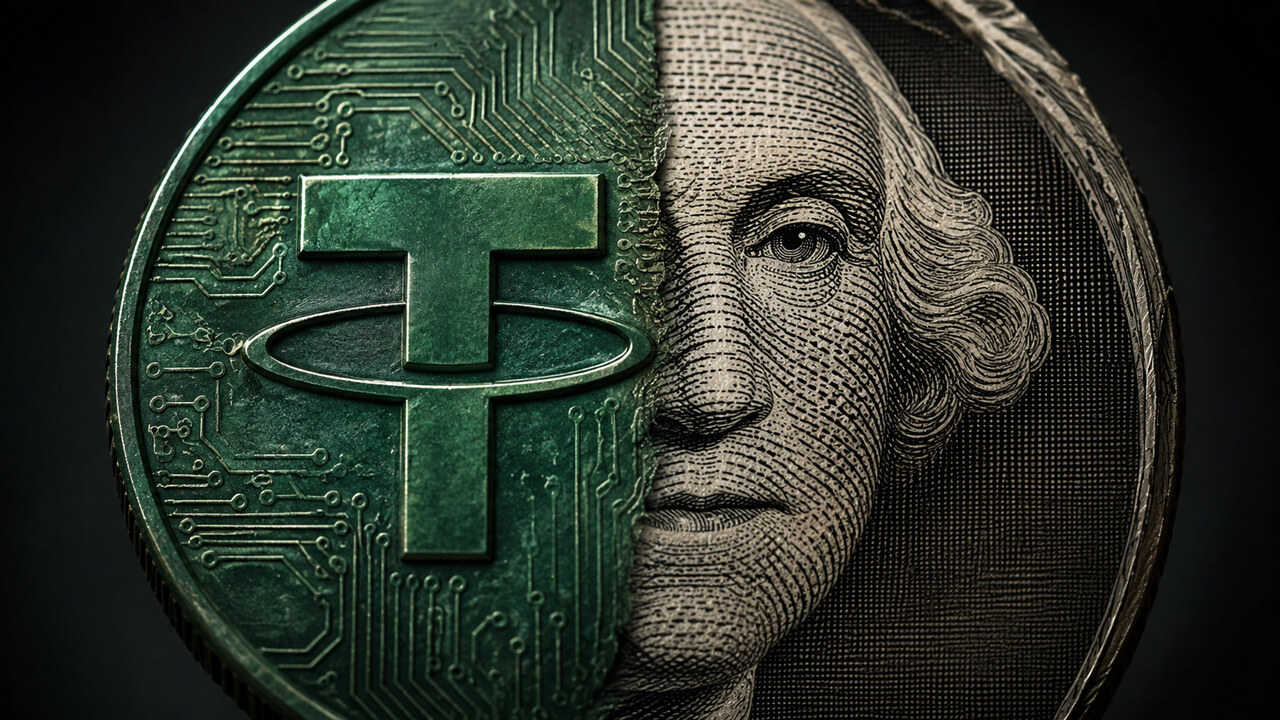
Tether, the issuer of the world's largest stablecoin USDT, has accumulated $141 billion in US Treasury exposure by the end of 2024, establishing itself as one of the largest holders of American government debt globally. The company's massive Treasury holdings, comprising both direct and indirect positions, underscore the significant scale at which stablecoin operators now interact with traditional financial markets.
This development highlights a fundamental contradiction in US financial policy. While regulators have actively worked to separate the cryptocurrency industry from mainstream financial systems through various restrictions and oversight measures, Tether has simultaneously emerged as a major purchaser of US government debt. The stablecoin issuer's Treasury holdings rival those of many sovereign nations and institutional investors, demonstrating how crypto companies have quietly integrated into core elements of American finance.
The substantial Treasury exposure creates a complex web of interconnectedness between digital assets and traditional markets. Tether's holdings represent potential systemic risk, as any significant disruption to the stablecoin market could theoretically impact US debt markets. Conversely, the company's massive government bond purchases provide substantial support for Treasury demand at a time when the US faces growing fiscal challenges.
Market observers will be monitoring how regulators respond to this growing entanglement between stablecoins and government debt, particularly as lawmakers continue debating comprehensive crypto regulation frameworks.
Source: CryptoSlate