The world’s central banks are now treating stablecoins like a real multi-trillion dollar monetary threat
The world's central banks stopped arguing about whether stablecoins are risky long ago. Their main concern now is about who will control them and how. On April 20, BIS General Manager Pablo Hernandez de Cos called for global cooperation on stablecoins, describing it as “critically important.” The Ba

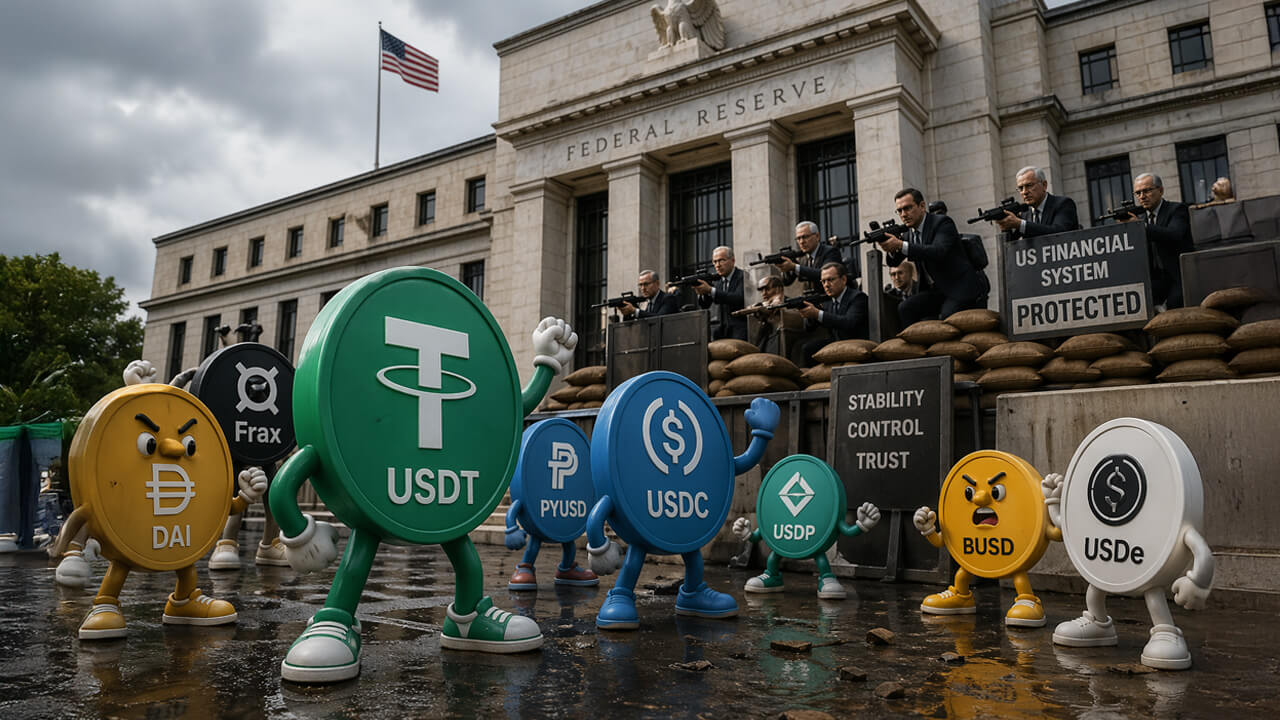
The world's central banks have shifted their focus from debating stablecoin risks to addressing control mechanisms and regulatory frameworks. On April 20, Bank for International Settlements (BIS) General Manager Pablo Hernandez de Cos emphasized the need for global cooperation on stablecoins, describing such coordination as "critically important." The BIS, known as the central bank for central banks, signals a fundamental change in how monetary authorities view these digital assets.
Central banks previously questioned whether stablecoins posed genuine risks to financial stability. However, as the stablecoin market has grown into a multi-trillion dollar ecosystem, regulators have moved beyond risk assessment to implementation of control measures. The debate has evolved from whether stablecoins matter to who will govern their operations and how regulatory oversight will function across jurisdictions.
This regulatory shift carries significant implications for the broader cryptocurrency industry. Stablecoins serve as crucial infrastructure for digital asset trading, DeFi protocols, and cross-border payments. Enhanced regulatory scrutiny and potential restrictions could reshape how these tokens operate, affecting liquidity flows and market dynamics across the entire crypto ecosystem.
The focus on international cooperation suggests upcoming coordination between major financial jurisdictions. Market participants should monitor developments in regulatory frameworks, particularly regarding reserve requirements, operational standards, and cross-border payment regulations that could impact stablecoin functionality and adoption.
Source: CryptoSlate