South Korea Moves to Lift Its ICO Ban After Nearly a Decade
The Financial Services Commission’s draft Digital Asset Act would let domestic projects sell tokens again under IPO-style disclosure rules, reversing a 2017 ban that mostly pushed Korean issuers offshore.

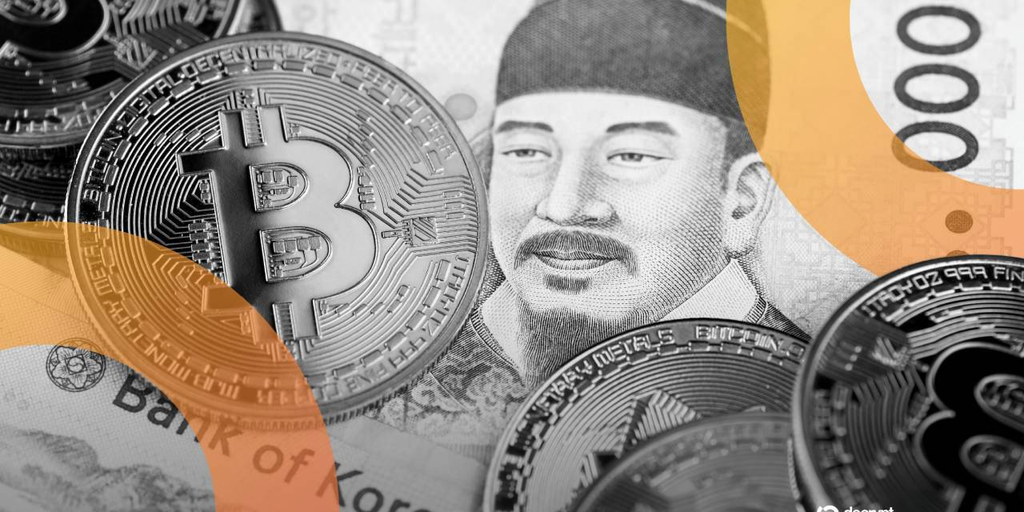
South Korea's Financial Services Commission (FSC) has released a draft Digital Asset Act that would formally lift the country's ban on initial coin offerings (ICOs), which has been in place since 2017. Under the proposed framework, domestic blockchain projects would be permitted to sell tokens to the public again, subject to disclosure requirements modeled closely on traditional IPO regulations.
The ban was introduced nearly a decade ago amid global concerns over fraudulent token sales and speculative excess during the first major ICO boom. Rather than eliminating Korean participation in the market, the prohibition largely pushed domestic issuers offshore, with many projects relocating to more permissive jurisdictions while continuing to attract Korean investors through indirect channels.
The proposed legislation signals a significant regulatory shift that could bring a substantial portion of crypto fundraising activity back into South Korea's formal financial system. By aligning token sale requirements with established IPO-style disclosure standards, regulators appear to be prioritizing investor protection while creating a viable legal pathway for homegrown blockchain ventures. Industry observers suggest the move could encourage Korean startups currently operating abroad to redomicile or expand domestically.
The draft act is expected to undergo further legislative review before any final adoption. Market participants and legal analysts will be watching closely to see whether disclosure requirements prove workable for token-based projects and how enforcement mechanisms will be structured once the framework is finalized.
Source: Decrypt