SEC’s tokenized stock plan could force crypto exchanges to answer what investors really own
Given how far the crypto market has come in terms of regulation, the next big fight won't be about Bitcoin, stablecoins, or even memecoins. It's going to be about whether a crypto exchange can list tokenized stocks that track Tesla, Apple, or Nvidia without those companies ever agreeing to it, and w

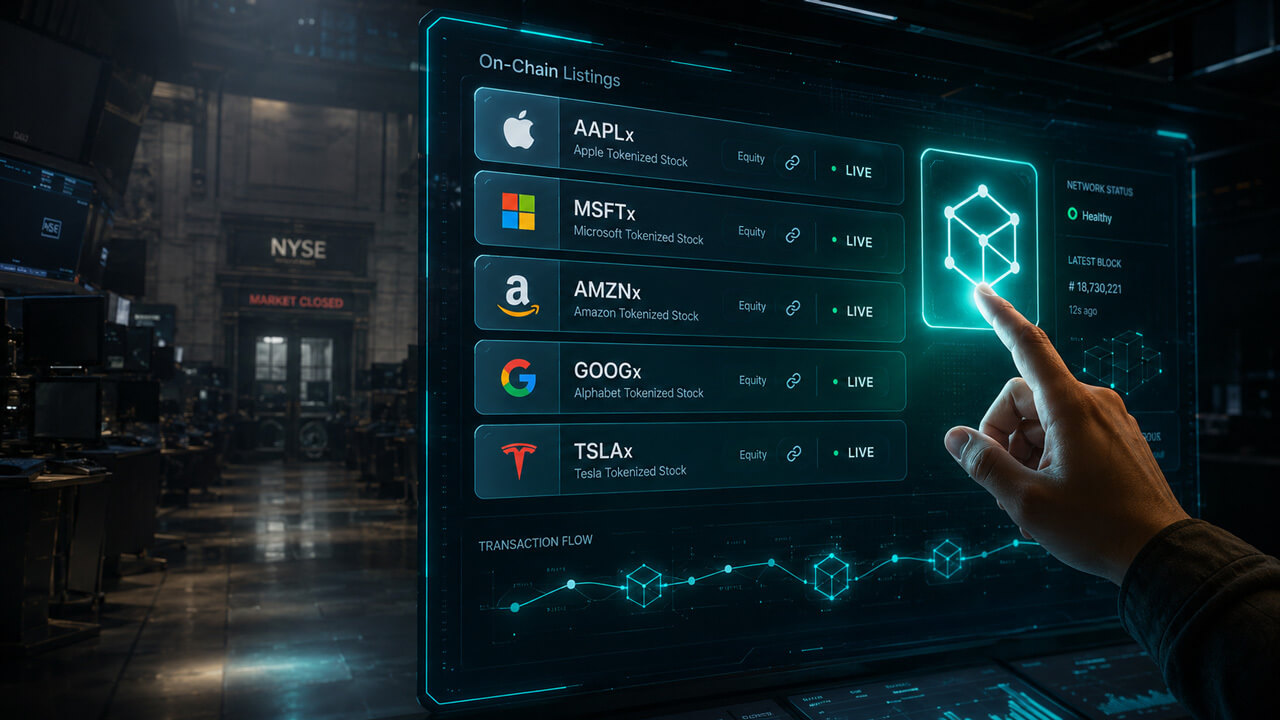
The Securities and Exchange Commission is reportedly developing plans that could allow cryptocurrency exchanges to list tokenized stocks tracking major companies like Tesla, Apple, and Nvidia without requiring explicit approval from those corporations. This potential regulatory shift would mark a significant departure from traditional securities trading frameworks and could fundamentally change how retail investors access equity markets through digital asset platforms.
The development comes as the crypto market has matured significantly in terms of regulatory clarity around Bitcoin, stablecoins, and other digital assets. However, tokenized stocks represent uncharted territory that blurs the lines between traditional securities and cryptocurrency trading. Currently, the regulatory framework remains unclear about whether crypto exchanges can offer synthetic exposure to publicly traded companies without involving the underlying corporations or traditional stock exchanges.
If implemented, this plan could force crypto exchanges to clearly define what investors actually own when purchasing tokenized stocks. The implications extend beyond simple trading mechanics, potentially affecting market liquidity, investor protections, and the relationship between traditional financial markets and the crypto ecosystem. Retail investors could gain new pathways to equity exposure, but questions about custody, voting rights, and actual ownership would need resolution.
Market participants will be closely monitoring the SEC's formal proposals and any accompanying guidance on tokenized securities. The regulatory approach could set precedents for how traditional assets are represented in digital form across crypto platforms.
Source: CryptoSlate