Commodity traders are getting debanked due to Iran war, pushing them to rely on stablecoins

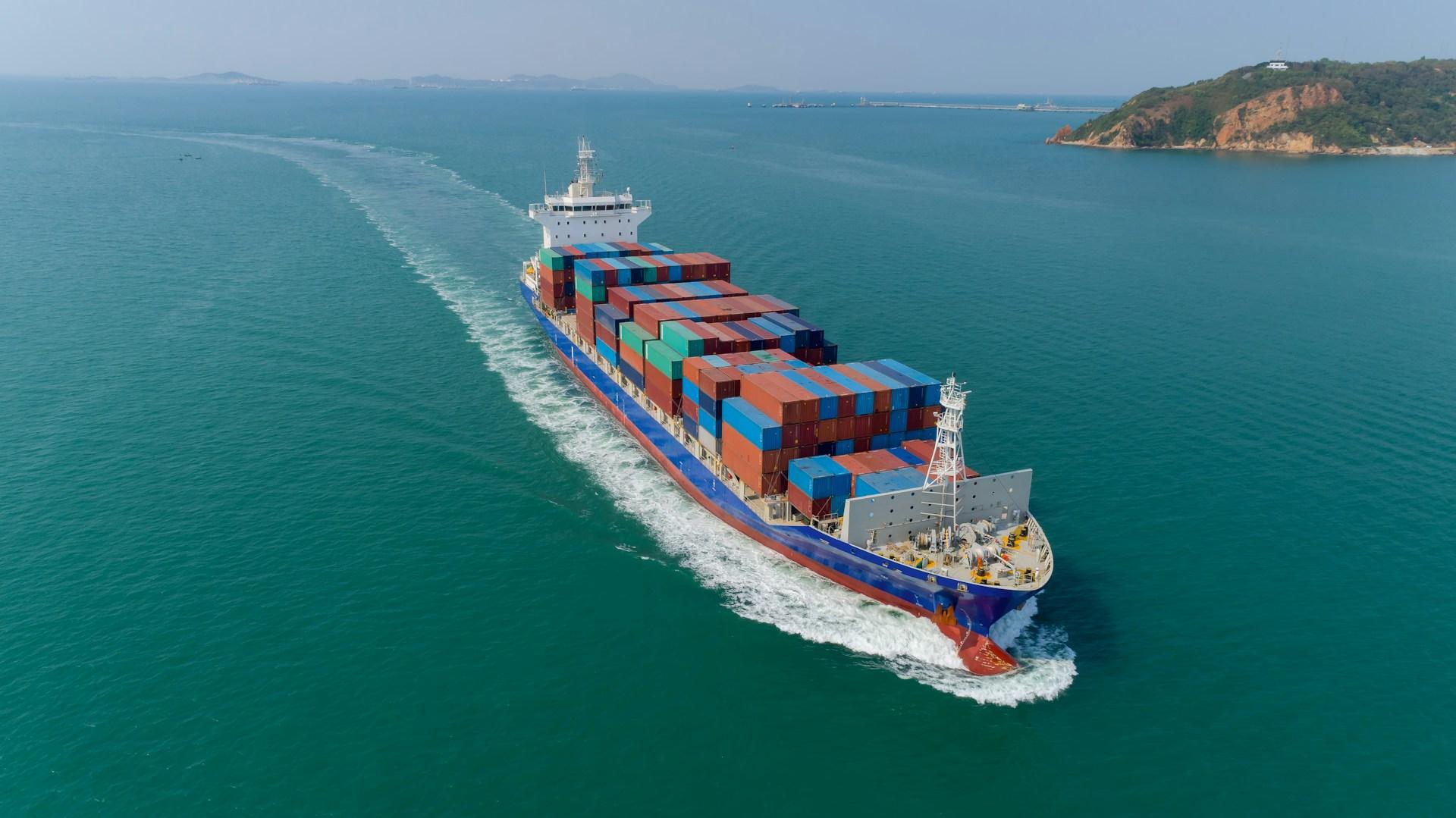
Commodity traders are increasingly turning to stablecoins as traditional banking services become unavailable amid ongoing conflicts involving Iran. Multiple trading firms have reported being "debanked" by major financial institutions, forcing them to seek alternative payment methods for international transactions. The shift affects traders dealing in oil, metals, and agricultural products across Middle Eastern and European markets.
The debanking trend has accelerated as financial institutions implement stricter compliance measures related to sanctions and geopolitical risks. Banks are cutting ties with commodity trading companies to avoid potential regulatory violations, even when the traders' activities remain fully legal. This risk-averse approach by traditional financial institutions has created significant operational challenges for legitimate commodity trading operations.
The migration to stablecoins represents a notable adoption of cryptocurrency infrastructure in traditional commodity markets. Trading firms are utilizing dollar-backed stablecoins to maintain liquidity and execute cross-border payments that would otherwise be impossible through conventional banking channels. This development could signal broader institutional acceptance of digital assets as viable alternatives to traditional financial rails.
Industry observers are monitoring whether this trend will expand beyond conflict-affected regions and whether regulatory bodies will respond with new guidelines for cryptocurrency use in commodity trading. The situation may also influence the development of central bank digital currencies as governments seek to maintain oversight of international trade flows.
Source: CoinDesk